Media retrospective
Hantavirus Beyond the Headlines: Reading a Rare Outbreak in Proportion
I bring together my media appearances on hantavirus and revisit the explanation at their centre. Its routes of transmission and the differences between the Andes strain and European hantaviruses matter far more to risk assessment than superficial comparisons with COVID-19.
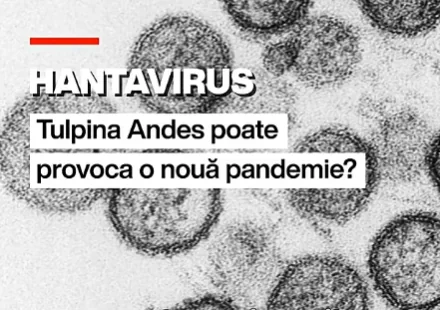
In May 2026, a cluster of severe illnesses aboard the MV Hondius cruise ship pushed hantavirus into international headlines. The event was serious, and several people died, yet the sudden attention also invited an uneasy comparison with COVID-19. Could another unfamiliar virus be starting a pandemic?
That question shaped my appearances on RFI Romania’s Sănătatea FM and Radio România Actualități, followed by a longer interview with Wall-Street.ro. Across those conversations, my central message was consistent: the human tragedy demanded attention, while the risk to the wider public had to be judged from the biology of the virus rather than the intensity of the coverage.
Hantavirus is a family of viruses carried mainly by rodents. People usually become infected after breathing dust contaminated with an infected animal’s urine, droppings or saliva, particularly in enclosed spaces where rodents have been present. The illnesses vary by region. Hantaviruses circulating in Europe and Asia primarily affect the kidneys and can cause haemorrhagic fever with renal syndrome. Viruses found in the Americas can cause hantavirus cardiopulmonary syndrome, a rare condition in which breathing can deteriorate rapidly.
The virus identified in the cruise-ship outbreak was the Andes virus, found in parts of Argentina and Chile. It is the only hantavirus known to spread between people, and even then transmission is unusual. It has generally required close, prolonged contact with someone who is ill. That makes its behaviour very different from influenza or SARS-CoV-2, which spread far more readily through populations.
This distinction also mattered when a hantavirus infection was confirmed in Arad. The Romanian case involved a hantavirus circulating in Europe and had no connection to the cruise-ship cluster. Human-to-human transmission has not been documented for the hantaviruses found in Europe. Treating every mention of “hantavirus” as the same threat would therefore conceal the information people most needed.
In the RFI discussion, I also explained why the virus’s incubation period complicated public-health monitoring. Symptoms of Andes virus infection can appear four to 42 days after exposure. Early illness may resemble influenza before some patients develop coughing and shortness of breath. There is no specific antiviral treatment or vaccine for Andes virus, so prompt medical care and supportive treatment remain crucial.
Prevention is practical rather than dramatic. The most important step is to reduce contact with rodents and with their urine, droppings, saliva or nesting material. Contaminated areas should be cleaned using public-health guidance rather than swept or vacuumed, which can lift infected particles into the air. Travellers who later develop compatible symptoms should describe the possible exposure when seeking medical care.
The wider lesson was one of proportion. International travel can carry an infection far beyond the place where it first crossed from wildlife into people. That possibility deserves surveillance and clear communication. It does not make every zoonotic outbreak a pandemic in waiting. The World Health Organization later declared the MV Hondius outbreak contained, after 13 cases and three deaths, with no additional transmission found during follow-up. Good risk communication leaves room for both facts: a rare infection can be devastating, and its danger still has boundaries.